
Remodeling before selling can be worth it. But only when the right projects are chosen.
Most online advice on this topic is too generic to be useful. It doesn’t account for Bucks County’s housing stock, the price brackets buyers are shopping in, or what comparable homes actually look like in your neighborhood.
Many homes here were built between the 1950s and 1990s. What makes sense for a newer build in another market rarely applies here.
This post explains what to fix, what to update, and what to leave alone. It also shows when kitchen, bathroom, or basement work is worth the cost before you list.
Why Most Home Improvements Before Selling Don’t Return Full Cost
The instinct to renovate before listing is understandable. You want top dollar. But data from the NAR 2025 Remodeling Impact Report shows that most major projects recover only a portion of what they cost at resale.
A complete kitchen renovation returns roughly 60 cents on the dollar. A bathroom renovation returns about 50 cents. Even a basement conversion to living space (one of the stronger performers) comes in around 71%.
That gap is the problem. Spend $40,000 on a kitchen remodel expecting to recoup it in the sale price, and you may walk away with $24,000 of that back if the comps support it at all.
Appraisers don’t value homes based on the quality of your tile selection. They value them based on what comparable homes sold for in your area. Over-improving your neighborhood is one of the most common and costly mistakes sellers make.
Timing matters too. Renovation delays can push your listing past the spring window or a favorable stretch of buyer activity. In a shifting market, that delay can cost more than any project would have gained.
The goal is not to renovate everything. The goal is to position your home competitively in its specific price range.
When It Is Worth Renovating Before Selling
Remodeling before selling makes sense in specific circumstances. If your home sits in a price bracket where buyers expect updated finishes (and comparable homes nearby have them), a dated kitchen or bathroom can genuinely hold back offers.
It also makes sense when a space is functionally outdated, not just cosmetically dated. A kitchen with an awkward layout, poor lighting, and worn surfaces is a different problem than a kitchen that simply looks older.
If you have time to do the work right, and not rush it, a remodel may be best.
This is true if local comps show updated homes sell faster and for much more.
The key word is targeted.
What to Fix, Refresh, or Leave Alone Before Listing
This is the most practical question most sellers face. Here is a clear framework.
Fix: Repairs You Cannot Skip
Certain conditions will surface during a home inspection and either derail the sale or give buyers leverage to negotiate your price down. Address these before listing, regardless of your timeline or budget constraints.
Roof leaks, active water intrusion, and visible moisture damage are at the top of the list. Outdated or unsafe electrical wiring is another.
HVAC systems that don’t function properly, foundation concerns, rotten wood, and plumbing problems that affect daily use all fall into this category.
These are not upgrades. They are repairs. Leaving them unaddressed rarely saves money. It transfers the cost to the negotiating table, usually at a worse rate.
Pennsylvania’s Uniform Construction Code sets baseline standards for residential systems. Sellers are also required under the Pennsylvania Real Estate Seller Disclosure Act to disclose known material defects.
Addressing structural and mechanical issues before listing reduces legal exposure and removes a common source of buyer negotiating leverage.
Refresh: High-Impact, Low-Cost Updates
A refresh improves how your home looks and feels without requiring a major investment. These are the updates real estate professionals consistently recommend because they affect first impressions in photographs and showings.
Fresh neutral paint is near the top of every list for good reason. It is inexpensive relative to its impact and appeals to the widest range of buyers. Updated light fixtures, cabinet hardware, and outlet covers signal that the home has been cared for. Clean, trimmed landscaping and fresh mulch improve curb appeal with minimal cost.
A thorough declutter and deep clean before photos are taken costs almost nothing and makes every other effort more effective.
Leave Alone: Upgrades That Rarely Pay Off
Avoid these unless comparable homes in your specific neighborhood already have them and are demonstrably selling for more as a result.
Full luxury kitchen remodels in mid-range or entry-level price brackets rarely return their cost. High-end appliances, custom built-ins, and designer tile in neighborhoods where buyers aren’t paying premiums for them are money spent without a buyer to reward it. Personalizing finishes almost always works against you. Buyers want to make those choices themselves.
Should You Remodel Your Kitchen, Bathroom, or Basement Before Selling?
Should I Remodel My Kitchen Before Selling?
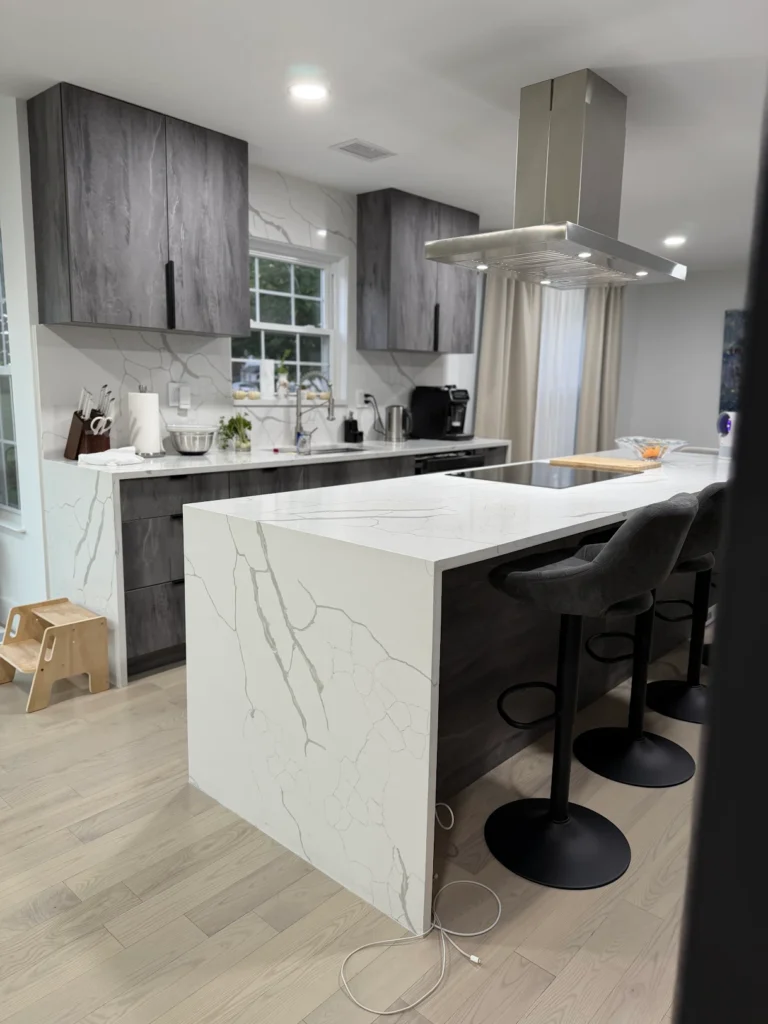
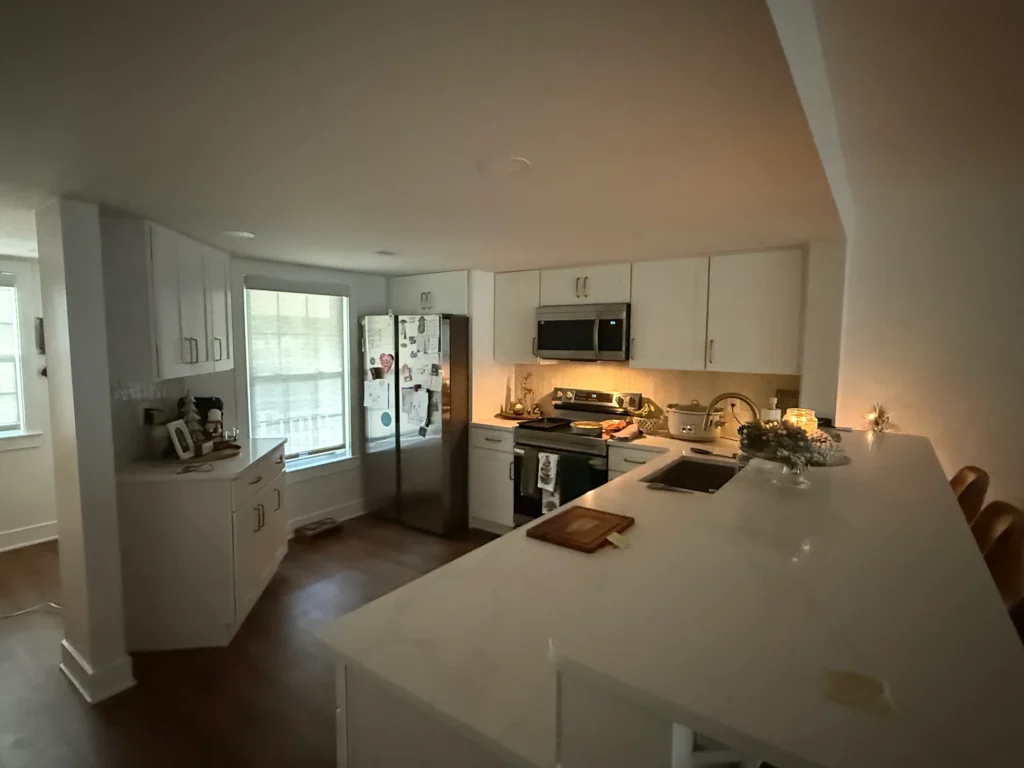
In Bucks County’s $450K–$750K price range, buyers frequently compare resale homes against new construction. A dated kitchen can drag down an otherwise competitive listing. That said, mid-range updates — new cabinet fronts, updated countertops, hardware, and fixtures — typically outperform full gut renovations when it comes to resale value. Avoid layout changes. Relocating plumbing or removing walls drives up cost without proportional returns at sale.
Should I Remodel My Bathroom Before Selling?
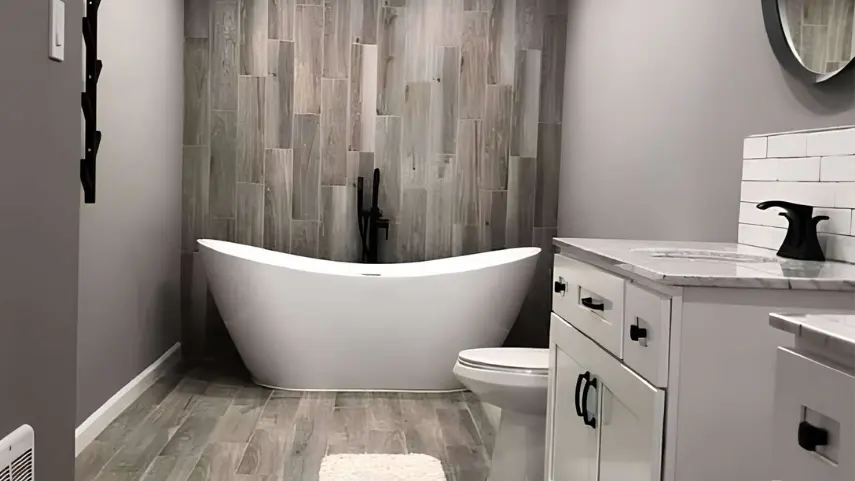
Bathrooms are among the first spaces buyers evaluate. A clean, functional, updated bathroom communicates that the home has been maintained. Targeted improvements — a new vanity, retiled shower surround, updated fixtures — often deliver stronger value than a full renovation when it comes to bathroom remodeling. Tub-to-shower conversions are popular with today’s buyers and can improve appeal without requiring a significant investment.
Is Finishing a Basement Worth It Before Selling?
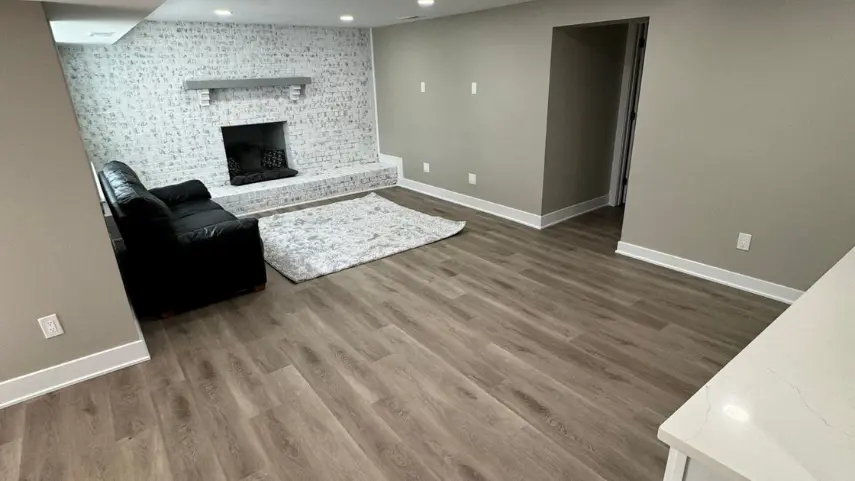
Of the three, basements offer one of the more defensible cases for investment before listing. NAR data puts basement-to-living-area conversions at approximately 71% cost recovery — toward the higher end of the report’s findings.
In Bucks County, many homes have large, unfinished lower levels. A finished basement adds usable square footage. The case is stronger when nearby homes already have finished basements. Those homes are often priced to reflect that.
What Makes Renovating Before Selling Different in Bucks County
Bucks County buyers generally expect character in the homes they purchase. They are not shopping for a builder-grade aesthetic.
An older home with good bones, well-maintained systems, and honest finishes will often perform well against a heavily renovated property that feels inconsistent with the neighborhood’s character.
In higher-end pockets — Doylestown, New Hope, Buckingham — buyers do compare against recently updated homes, and expectations shift accordingly.
Understanding your specific submarket matters more than following a general rule about renovating before selling.
Run the Numbers Before You Start Any Project
Before starting a kitchen, bathroom, or basement remodel before a sale, review estimated costs and value gains.
Focus on your specific home and local market.
VSM Remodeling built a free Bucks County Remodeling ROI Calculator for exactly this purpose. Enter your project type, estimated budget, and home value to see how different scenarios might affect your sale price and net proceeds.
It takes about two minutes and gives you a grounded starting point before you call a contractor or sit down with your real estate agent.