
A home remodel can involve much more than new finishes or cosmetic updates. Many projects include structural modifications, system upgrades, and layout changes that improve both function and safety.
Because of this, home remodel cost varies widely from one house to another, even within the same neighborhood.
Every home is different. The age of the property, the condition of existing systems, and the scope of work all play a role in determining the final budget.
This guide explains what goes into home renovation costs for Bucks County homeowners. It shows common price ranges, explains the main cost factors, and helps you know what to expect before talking to a contractor.
What Is a Home Remodel?
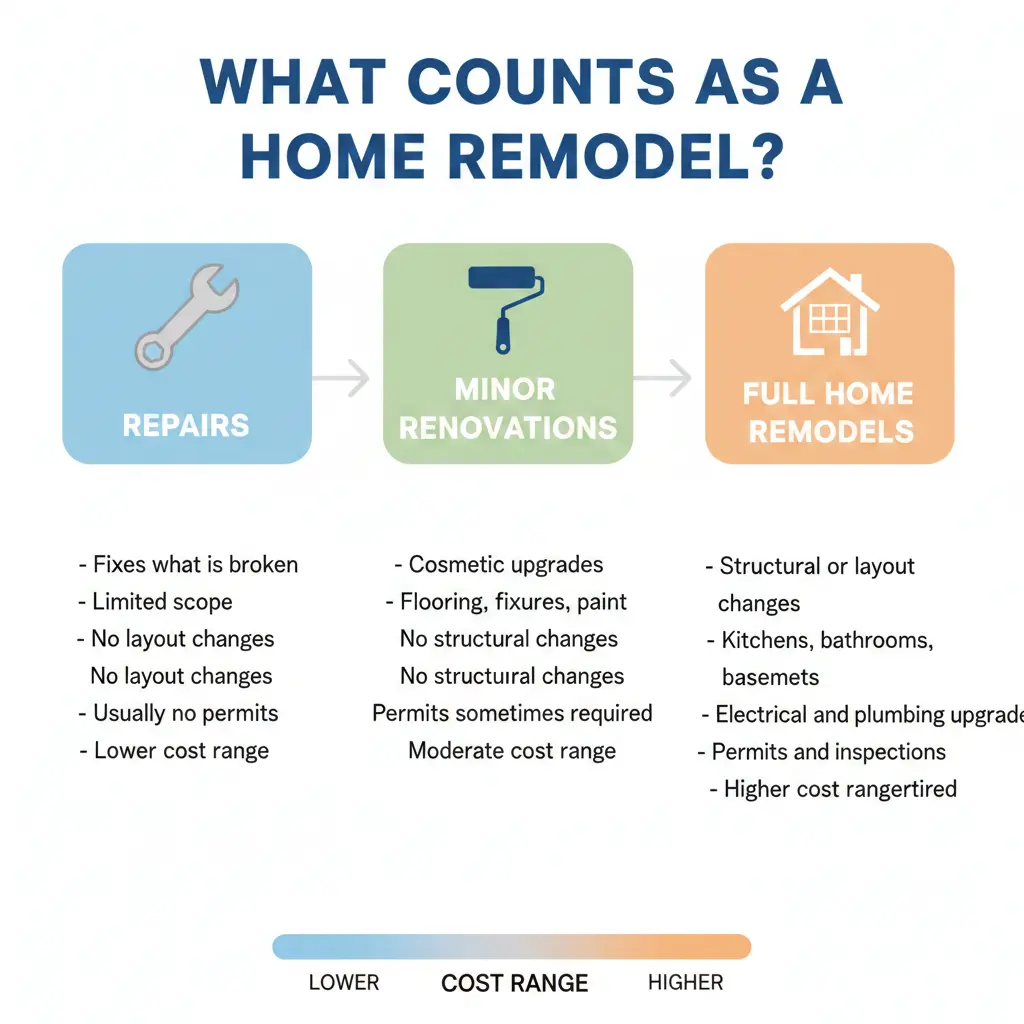
A home remodel is more than fixing what’s broken or giving a room a fresh coat of paint. Repairs usually focus on specific issues that stopped working or wore out over time. Minor renovations often mean new flooring, updated fixtures, or a cosmetic refresh.
A remodel is different. Home remodels often involve moving or taking down walls. They may also include upgrading kitchens and bathrooms.
You might replace electrical and plumbing systems. Finishing basements can create usable living space.
These projects require careful planning, permits, and skilled labor. The goal of this page is to help homeowners understand the typical costs associated with these projects and what factors cause those costs to rise or fall.
Average Home Remodel Costs By Type
Whole-Home Remodel
A whole-home remodel is exactly what it sounds like: updating most or all of your home at the same time.
Instead of tackling one room at a time, these projects focus on improving flow, function, and comfort across the entire house. Homeowners often choose this route when their home feels outdated, inefficient, or no longer fits their lifestyle.
These projects typically include a combination of interior upgrades and behind-the-walls improvements, such as:
- Full kitchen and bathroom renovations
- New flooring, trim, doors, and finishes throughout the home
- Structural changes, including removing or relocating walls
- Electrical system upgrades to meet modern code requirements
- Plumbing replacements or rerouting for updated layouts
- HVAC upgrades to improve comfort and efficiency
Because of the scope involved, whole-home remodels are the most complex and expensive type of renovation. Many trades often work at the same time. Timelines are longer, and careful planning is needed to keep the project on track.
National and regional data shows that full house renovation cost often ranges from $15 to $60 or more per square foot.
In Bucks County, costs often land on the higher end of that range. Many homes in the area are old. They need extra support, electrical updates, or plumbing fixes to meet current building codes.
Labor typically makes up 50 to 60 percent of the total remodel budget, especially when skilled trades like electricians, plumbers, and carpenters are involved.
This is why accurate planning, proper permits, and working with an experienced local contractor play such a critical role in controlling costs on a whole-home remodel.

Partial Remodel
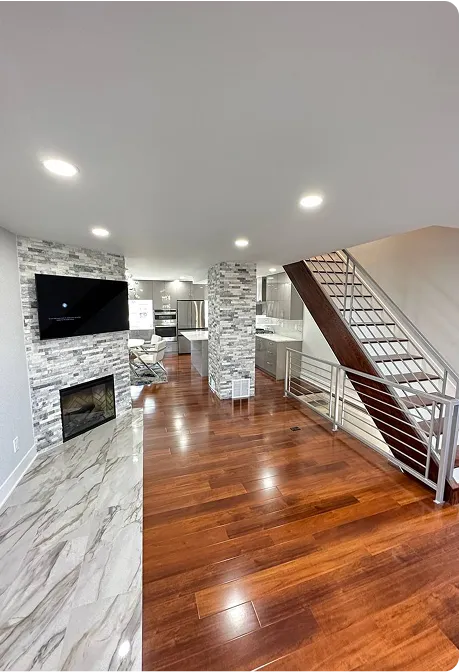
A partial remodel focuses on improving one or a few specific areas of the home instead of tackling everything at once.
Common examples include a kitchen remodel, a bathroom renovation, or finishing an unfinished basement. Homeowners often pick partial remodels to update their most used spaces. They do this to fix functional issues or make specific improvements before selling.
While partial projects usually cost less than a whole-home remodel, the pricing is not always as simple as “smaller space equals smaller budget.”
The same core cost drivers still apply, even when work is limited to a single room. Factors such as moving plumbing, upgrading electrical systems, or modifying walls can significantly increase the overall investment.
In many cases, homeowners are surprised to learn how quickly costs can increase. A bathroom remodel with a custom shower, new tile, and moved fixtures can cost as much as remodeling several rooms.
A kitchen remodel can be expensive. It includes changes to the layout, new cabinets, and upgraded appliances. Sometimes, it can cost as much as a larger project.
Interior vs. Exterior Remodels
Interior remodels and exterior upgrades follow different cost patterns. Interior projects include kitchens, bathrooms, and basements, all of which involve mechanical systems and code compliance. Exterior work such as siding, roofing, or window replacement generally involves fewer variables.
Exterior renovation projects often fall in the $8,000 to $25,000 range depending on scope and materials. Interior remodels vary much more because of labor intensity, system upgrades, and finish selections.
Interior remodels also tend to require more coordination between trades. Because these spaces must meet strict safety and building code requirements, even small changes can have a noticeable impact on both cost and timeline compared to exterior-only upgrades.

High-End vs. Budget Renovations
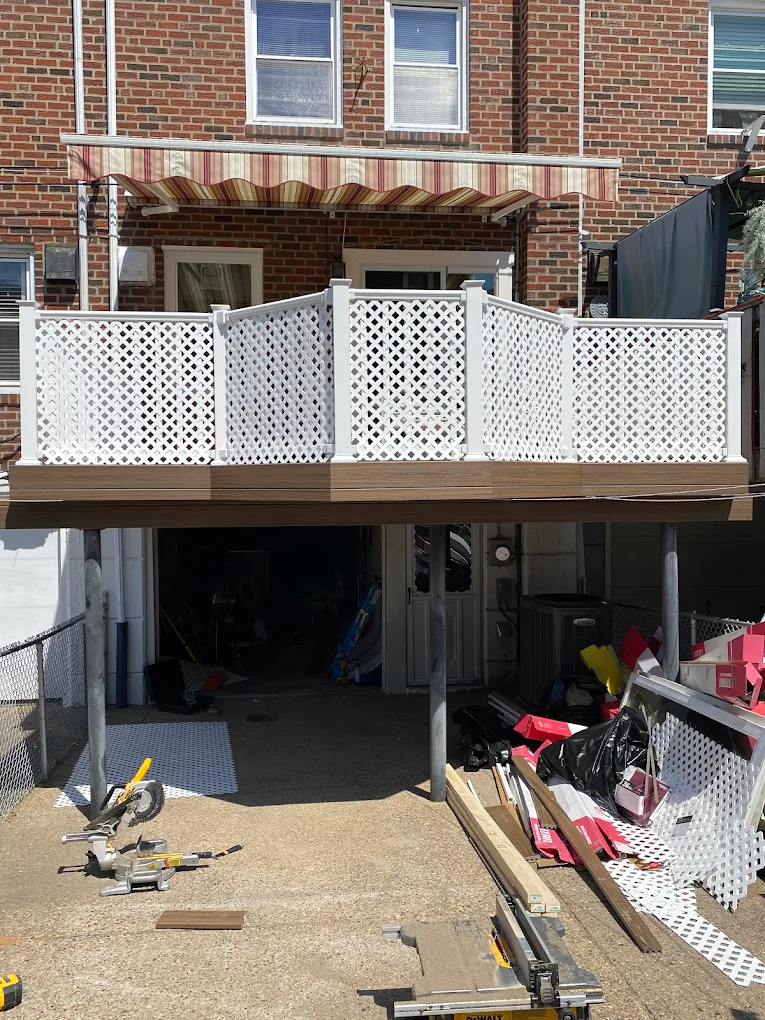
The level of finish and design complexity plays a major role in determining cost. Budget renovations focus on standard materials, minimal layout changes, and basic fixtures.
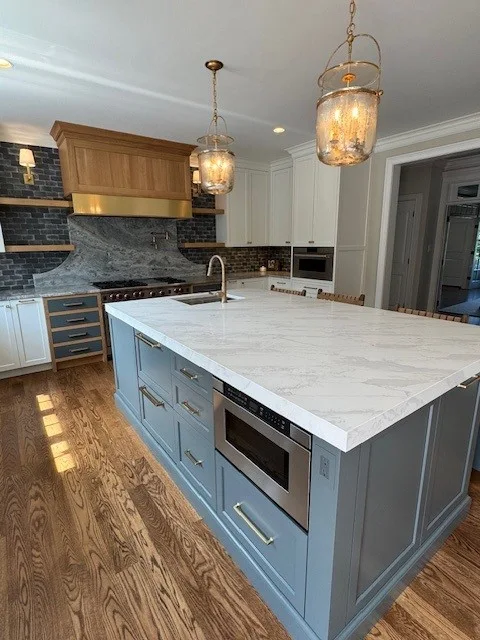
High-End, Luxury Renovations, conversely, are characterized by customization, premium materials, and intricate design. These projects often include:
- Custom Cabinetry: Built-to-specification millwork that maximizes unique space, incorporates specialized storage features, and utilizes high-grade materials and finishes.
- Premium Materials: This encompasses imported stone (marble, quartzite), high-performance appliances, designer plumbing fixtures, and bespoke flooring materials (e.g., heated floors, exotic hardwoods).
- Extensive Tile Work and Finishes: Complex tile layouts, such as herringbone patterns, intricate mosaics, or large format slabs, requiring meticulous, skilled installation.
- Structural and Layout Changes: High-end remodels frequently involve significant structural modifications, such as knocking down walls to create open-concept living spaces, raising ceilings, or moving major utility lines. These changes require permits, engineering assessments, and highly skilled tradespeople.
The difference between budget and high-end remodeling is not just appearance. Custom work requires more labor, longer timelines, and greater coordination, which drives up overall cost.
This applies across kitchen renovation costs, bathroom renovation cost, and basement remodel projects.
| Project Type | Typical Cost Range (Bucks County) | What Drives Cost | Notes |
|---|---|---|---|
| Kitchen Remodel | $25,000 – $60,000+ | Cabinets, layout changes, appliances, electrical | Layout changes increase cost significantly |
| Bathroom Remodel | $15,000 – $40,000+ | Tile, plumbing location, shower type | Custom showers and tile drive higher budgets |
| Basement Remodel | $20,000 – $70,000+ | Ceiling height, bathrooms, egress, waterproofing | Older basements often require prep work |
| Partial Home Remodel | $30,000 – $100,000+ | Number of rooms, system upgrades | Often phased over time |
| Whole-Home Remodel | $15 – $60+ per sq ft | Scope, finishes, structural work | Older homes trend higher |
Room-by-Room Renovation Costs
Kitchen Renovation Costs
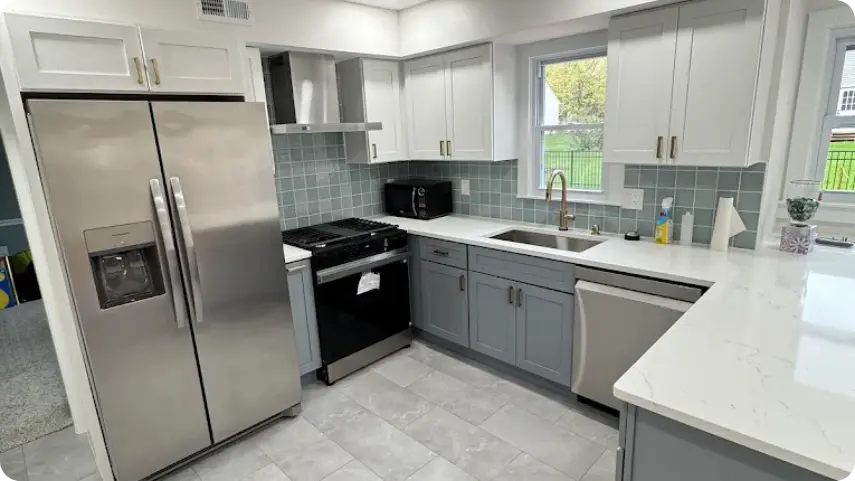
Kitchen remodel cost varies widely based on layout, materials, and appliance selections.
Cabinetry, countertops, plumbing location, and electrical upgrades all influence the final price. Kitchens are one of the most complex rooms to remodel because so many trades are involved.
In this region, smaller kitchens often start in the mid-$20,000 range, while mid-grade kitchens commonly exceed $35,000 to $40,000.
High-end kitchen redesign cost increases significantly when layouts change or custom cabinetry is selected. Homeowners searching for cost to redo kitchen or kitchen remodel price should understand that kitchens are rarely simple projects.
Common factors that influence kitchen renovation costs include:
- Cabinet type and configuration
- Appliance selection and placement
- Countertop material
- Electrical and lighting upgrades
- Layout changes or wall removal
Because kitchens combine design, functionality, and mechanical systems, even small changes can have a noticeable impact on overall cost. Careful planning upfront helps homeowners balance budget, performance, and long-term value.
Use our free kitchen cost estimator tool to get a more accurate estimate.
Bathroom Renovation Costs
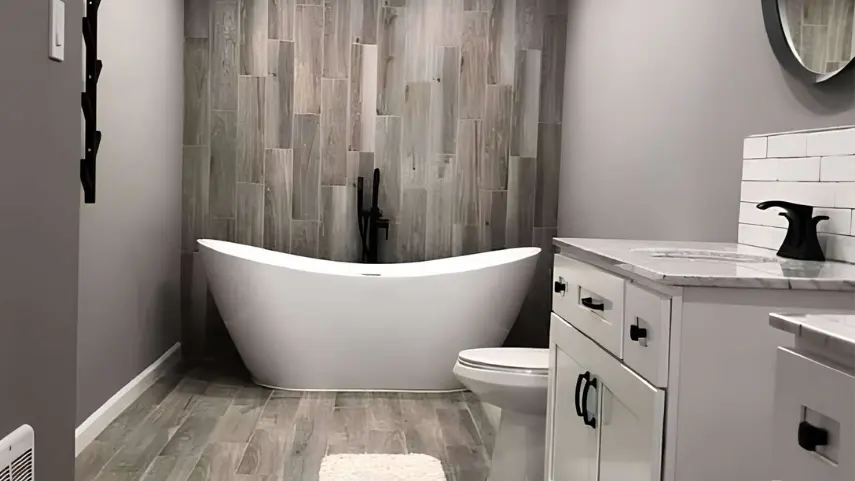
Bathroom remodel cost depends on more than square footage. Shower configuration, tile coverage, plumbing layout, and ventilation requirements all impact pricing.
A basic bathroom renovation cost may involve replacing fixtures and finishes while keeping the existing layout.
More complex projects such as tub to shower conversion cost or custom tile showers increase labor and material costs. Full-height tile, custom niches, and frameless glass enclosures all raise the bathroom remodel price.
These variables explain why terms like bathroom redesign cost and bathtub renovation cost cover such a wide range.
Bathroom remodel pricing is often driven by:
- Shower or tub style
- Tile coverage and layout
- Plumbing location changes
- Vanity and storage selections
- Ventilation and electrical upgrades
Bathrooms may be smaller spaces, but they require precise workmanship and strict code compliance. This is why even modest bathroom upgrades can quickly move beyond “simple” renovation budgets.
Use our free bathroom cost estimator tool to get a more accurate estimate.
Basement Renovation Costs
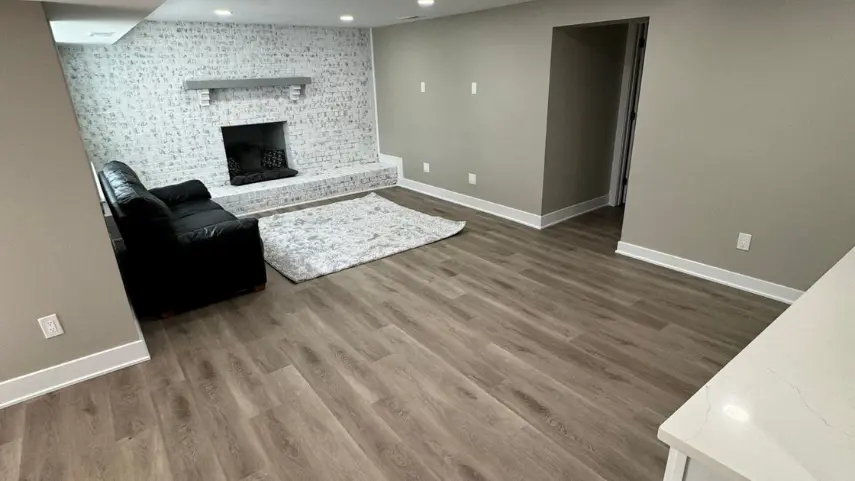
Basement remodel cost varies more than any other interior project. Ceiling height, moisture conditions, plumbing additions, electrical upgrades, and egress requirements all influence pricing.
Unfinished basements may appear less expensive at first, but often require significant preparation before finishing begins.
Finished basements that include bathrooms, bars, or guest suites can rival main-floor renovations in cost. This is why many homeowners search for finishing basement contractors who understand local code requirements and basement-specific challenges common in Bucks County homes.
Basement renovation costs are commonly affected by:
- Ceiling height and structural constraints
- Waterproofing or moisture mitigation
- Bathroom or wet bar additions
- Electrical and lighting needs
- Egress window or safety requirements
Basement projects often involve work that isn’t visible once construction is complete. Addressing these issues correctly is essential for safety, comfort, and long-term durability.
Use our free basement cost estimator tool to get a more accurate estimate.
Budget Planning and Cost Factors
Size and Scope
Square footage affects cost, but scope matters more. A small bathroom with a full gut renovation can cost more than a larger bathroom with cosmetic updates.
In Bucks County, older homes often require structural adjustments, framing corrections, or floor leveling that increase labor costs.
Material and Finish Choices
Materials typically account for 25 to 35 percent of total home renovation cost. Cabinets, tile, flooring, and fixtures all fall into this category.
Premium materials increase cost, but installation labor often increases even more. Large-format tile, custom cabinetry, and specialty finishes require additional time and skill.
Labor and Regional Costs
Labor is the largest contributor to remodel budgets. Skilled, licensed professionals command higher rates, but they also protect your home and ensure work meets code.
Bucks County and the greater Philadelphia region generally exceed national labor averages due to demand and cost of living.
Permits and Inspections
Most remodels involving plumbing, electrical, or structural changes require permits. The township or borough issues these, and they vary by municipality.
Homeowners can reference guidance from the Pennsylvania Department of Labor & Industry and their local Bucks County municipality. Permit fees are not the largest expense, but skipping them can create serious issues during resale.
Hidden Costs in Older Homes
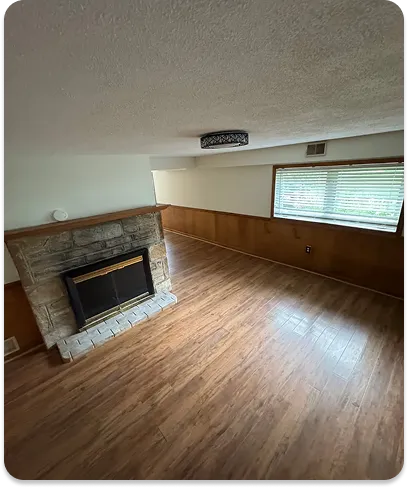
Older homes often reveal hidden conditions once work begins. Common issues include outdated wiring, plumbing that does not meet current code, moisture intrusion, or hazardous materials such as lead paint or asbestos.
A contingency budget of 10 to 20 percent helps protect homeowners from unexpected costs.
Factors Influencing Whole-Home Remodeling Costs
Whole-home remodeling represents a significant investment, and the final cost is a product of numerous interconnected variables. Understanding these key factors is essential for accurate budgeting and planning.
The most substantial cost drivers often relate to the physical changes made to the home’s structure.
- Structural Changes: Changes to load-bearing walls, rooflines, or foundations require skilled workers. They also need permits and careful planning. This includes creating open-concept living areas, adding a second floor, or underpinning a basement. These alterations make the entire process much more complicated and expensive as compared to mere cosmetic renovations.
- Mechanical System Upgrades: A complete remodel typically necessitates comprehensive updates to the home’s essential systems. This includes replacing or greatly changing the HVAC system, plumbing, and electrical wiring. If the existing systems are outdated, relocating fixtures, or increasing capacity (e.g., adding a sub-panel for a new kitchen), the costs can escalate quickly.
- Code Compliance Requirements: Local building codes and regulations often dictate the scope of work, particularly in older homes. When systems are upgraded or substantial changes are made, the entire house may need to be brought up to current safety and energy-efficiency standards. This can include required insulation upgrades, installing new fire suppression systems, or following strict zoning rules. All of these add to the overall budget.
Design, Materials, and Complexity
The level of customization and the quality of finishes directly influence the final price tag.
- Design Complexity: Highly customized or intricate designs—such as complex rooflines, custom cabinetry, bespoke millwork, or unusual architectural features—require specialized craftsmanship and longer installation times. A simple, standard design is inherently less costly than a complex, highly detailed one.
- Material Selection: Choosing materials can impact costs significantly. You can opt for budget-friendly options like laminate countertops and vinyl flooring. Alternatively, you might choose high-end finishes such as natural stone slabs, imported tiles, and premium hardwood.
Specialty Installations: Features like smart home integration, custom lighting schemes, high-efficiency windows and doors, and premium appliance packages all contribute to a higher total cost.

Logistical and Regional Influences
External factors related to the property’s location and age can introduce unforeseen expenses.
- Accessibility and Logistics: Homes with limited access for large equipment and material deliveries, or those located on tight, urban lots, often incur higher logistical fees. This includes the cost of specialized equipment, traffic control, and longer hauling distances for debris.
- Historic Preservation Considerations: For properties designated as historic, the remodeling process is subject to stringent regulations and architectural review boards. Maintaining historic accuracy often requires using specific, period-appropriate materials and specialized restoration techniques, dramatically increasing both the timeline and the expense.
Cost-Saving Tips for Homeowners
Controlling remodel costs is less about cutting corners and more about making smart decisions early. One of the most effective ways to manage your budget is to prioritize must-have upgrades before layering in cosmetic enhancements.
Addressing structural issues, outdated wiring, plumbing concerns, or layout problems first ensures that your investment improves both safety and long-term functionality.
Keeping existing layouts whenever possible can also result in significant savings. Relocating plumbing lines, electrical runs, or load-bearing walls quickly increases labor and inspection costs.
In many cases, homeowners can achieve a dramatic visual upgrade by improving finishes and fixtures without moving major components. Choosing mid-range materials is another smart strategy.
These options often provide durability and appearance comparable to premium products, without the added cost or long lead times.
Finally, working with an experienced contractor and planning thoroughly before construction begins is one of the biggest cost-saving moves you can make.
A clear scope definition, realistic expectations, and early material choices help reduce change orders. Change orders are a common reason home remodel costs go up after work begins.

Local Considerations for Bucks County
Bucks County homes come with unique characteristics that directly impact remodeling costs.
Many properties were built decades ago and share similarities with older Philadelphia-area housing, including mixed foundation types, lower basement ceiling heights, and aging mechanical systems. These conditions often require additional preparation before visible remodeling work can begin.
Basement projects, in particular, are heavily influenced by local conditions. Water table levels, drainage patterns, and moisture concerns are common throughout the county and can affect waterproofing requirements.
Egress rules for finished basements and bedrooms also play a major role in project scope and budget. Installing an egress window or modifying existing openings can significantly increase cost but is often required for safety and code compliance.
Permit requirements vary by township, borough, and municipality. Some areas require more detailed inspections or approvals than others.
Reviewing local permit requirements early and working with a contractor familiar with Bucks County regulations helps prevent delays, failed inspections, and unexpected expenses later in the project.
How We Use These Numbers
The cost ranges in this guide are based on national construction data, regional labor trends, and real-world remodeling experience in Bucks County.
Every home is different, which is why accurate estimates require reviewing layout, existing conditions, and local code requirements.
Summary and Next Steps
Home remodel cost is influenced by a combination of factors, including scope of work, material selections, labor requirements, and the existing condition of the home.
The cost of a kitchen remodel, bathroom renovation, and basement remodel can vary a lot. This depends on changes to the layout, upgrades to systems, and the quality of finishes. This is why online averages rarely tell the full story.
The most effective next step is thoughtful planning and a realistic conversation with a local contractor who understands Bucks County homes.
Discussing goals, priorities, and budget early allows potential issues to be identified before construction begins.
If you are considering a remodel, scheduling a consultation or calling with VSM Remodeling help you understand what is realistic for your space and avoid surprises as the project moves forward.